Choosing the right thermostat for an Airbnb can help manage energy costs while ensuring guests stay comfortable. The following selections focus on Wi-Fi connectivity, easy scheduling, compatibility with common HVAC systems, and reliable remote control. This article highlights five models that are well-suited for short-term rentals and offer simple setup for hosts and clear guest-facing features.
| Product | Brand | Energy Savings (Overview) | Key Benefit For Airbnb |
|---|---|---|---|
| ecobee Smart Thermostat Essential | ecobee | Up to 23% yearly on heating/cooling | Smart scheduling and compatibility checker simplify setup |
| Google Nest Learning Thermostat (4th Gen) | Energy-saving automation with voice assistant support | Guest-friendly app control and proactive energy management | |
| Sensi Smart Thermostat | Emerson | Energy savings via flexible scheduling | Easy DIY install with strong privacy protections |
| ecobee Smart Thermostat Premium | ecobee | Up to 26% yearly; includes air quality monitor | Room-by-room comfort with sensors and alerts |
| Google Nest Thermostat | Energy savings through automation without excess wiring | Simple setup, works with Google Home ecosystem |
The following sections present five candidate thermostats, each with a concise overview, a direct link to the product on Amazon, and a summary of features relevant to hosting an Airbnb. All models support remote management and energy-aware operation, making them suitable for vacation rentals that require consistent comfort and efficient energy use.
Ecobee Smart Thermostat Essential

The Ecobee Smart Thermostat Essential is Energy Star certified and offers Wi-Fi connectivity for remote control via the Ecobee app. It supports voice assistants including Siri, Alexa, and Google Assistant. The device can save up to 23% annually on heating and cooling by adjusting to user schedules and occupancy. It is compatible with a broad range of systems (claimed compatibility with 85% of setups) and includes a color touchscreen for quick adjustments. Free software updates help ensure long-term value for Airbnb hosts who want up-to-date features.
Google Nest Learning Thermostat (4th Gen)

The Nest Learning Thermostat is designed to learn occupancy patterns and optimize energy use while delivering guest comfort. It supports a wide range of 24V systems and often works without a C wire during installation. The thermostat integrates with Google Home, Alexa, and Siri, enabling voice and app-based control. It emphasizes user-friendly setup and is compatible with Matter for broader smart-home interoperability, making it a strong choice for hosts integrating multiple smart devices in vacation rentals.
Sensi Smart Thermostat
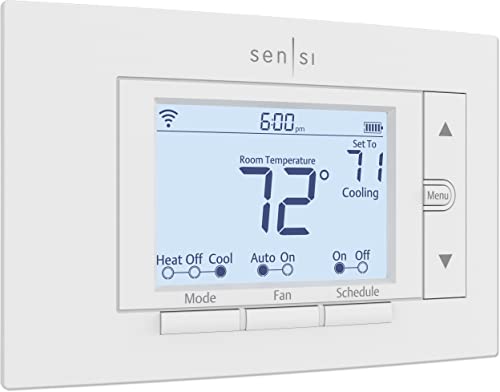
The Sensi thermostat emphasizes privacy and ease of installation. It supports DIY setup and is ENERGY STAR certified, helping hosts achieve energy savings through scheduling, remote access, and usage reports. The device is designed for HVAC configurations found in many homes and typically does not require a C-wire in common installations. It is a practical choice for Airbnb hosts who want reliable performance with straightforward guest-facing controls.
Ecobee Smart Thermostat Premium
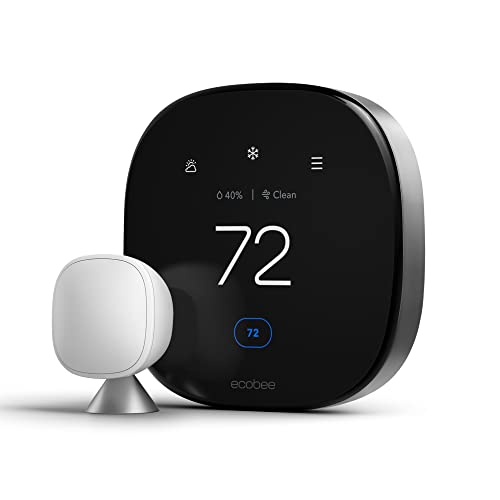
The Ecobee Premium combines a large, vibrant display with advanced occupancy sensing and a SmartSensor for room-specific temperature control. It includes an air quality monitor to alert guests about ventilation conditions and suggests actions to improve air quality. With ENERGY STAR certification and up to 26% annual savings, it is well-suited for hosts who want premium aesthetics and enhanced comfort across multiple rooms, though setup may be more involved than entry-level models.
Google Nest Thermostat

The Google Nest Thermostat emphasizes ease of setup and seamless integration with the Google Home ecosystem. It is ENERGY STAR certified and can operate without a C wire in many homes, though some configurations may require additional power access. This model offers smart scheduling and remote control via the Google Home app, helping hosts manage guest comfort while reducing energy usage during vacant periods.
Buying Guide
Key purchase considerations for Airbnb hosts include compatibility with common HVAC setups, ease of installation, and remote control capabilities. Consider the following factors when evaluating models:
- Compatibility and power needs: Check whether a C wire is required and if the thermostat supports your typical 24V heating/cooling systems (gas, electric, oil, heat pumps, etc.).
- Scheduling and occupancy features: Look for adaptive schedules, presence-based adjustments, and guest-friendly temperature routines that minimize complaints while saving energy.
- Smart home integration: Ensure compatibility with popular platforms (Google Home, Amazon Alexa, Apple HomeKit) to support voice control and app-based guest access.
- Air quality and comfort features: Some models include air quality sensors or extra sensors to balance temperature across rooms, which can enhance guest comfort in multi-room rentals.
- Privacy and data handling: Choose models from reputable brands with clear privacy protections and transparent data practices, especially for guest data and usage reports.
- Installation ease and support: For hosts who self-install, a model with a straightforward setup and robust online support reduces downtime between bookings.
- Display and user experience: A clear, intuitive interface helps guests quickly adjust temperatures, lowering the likelihood of improper settings during a stay.
- Maintenance alerts: Look for features like filter change reminders and system maintenance alerts to keep HVAC systems running efficiently between guest turnovers.
Airbnb hosts should balance upfront hardware costs with anticipated energy savings and guest satisfaction. A thermostat with reliable remote access, clear guest-facing controls, and accurate occupancy-based adjustments typically yields the best long-term ROI. For multi-room homes or properties with variable occupancy, models that include additional sensors and robust energy reporting can provide extra value by keeping common areas comfortable without overcooling or overheating.