Prime your reloading workflow with the right bench priming tool. This guide compares five top Amazon picks, spanning bench-mounted models and handheld variants. Each option offers distinct advantages for seating primers reliably—an essential step in handloading. Read on to see quick specs, practical notes, and a buying framework that helps you match tool type to workflow, primer sizes, and ergonomics.
| Product | Brand | Type | Key Features |
|---|---|---|---|
| Lee 90700 Auto Bench Priming Tool | Lee Precision | Bench Priming Tool (Auto) | Triangular primer tray accepts all major brands; ergonomic design; supports large and small primers |
| Lyman Accu-Prime Manual Bench Priming Tool | Lyman | Bench Priming Tool (Manual) | Innovative bench priming design; manual operation; reliable primer seating |
| RCBS 9460 Auto Priming Tool | RCBS | Auto Priming Tool | Auto priming with solid build; weighs about 2.25 pounds; manufactured by RCBS |
| RCBS 90201 Universal Hand Priming Tool | RCBS | Hand Priming Tool | Universal compatibility; seats large and small primers; removable tray; fits various brands |
| Lee Precision 90230 New Auto Prime Hand Priming Tool | Lee Precision | Hand Priming Tool | Hand-held; Lee Auto Prime shell holder; works with any primer brand |
Lee 90700 Auto Bench Priming Tool
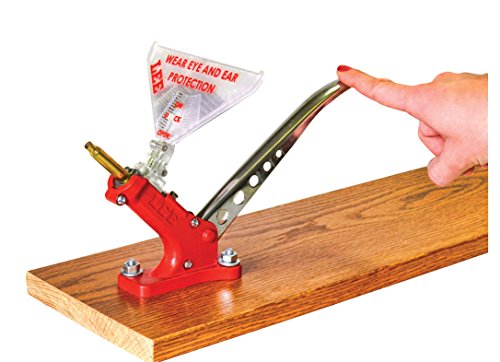
The Lee 90700 Auto Bench Priming Tool is designed for a steady bench setup with an auto-priming cycle. Its triangular primer tray accepts all major brand primer boxes, which minimizes interruptions during priming sessions. An ergonomic handle reduces fatigue during longer sessions, and separate trays accommodate large and small primers for efficient workflow. The tool’s bench-mounted design provides stability, enabling consistent primer seating even when feeding primers rapidly from a tray. This model suits shooters who prime at the bench and prefer a hands-off priming cycle when time is critical.
From a usability standpoint, the 90700 emphasizes smooth cycling and predictable primer seating. The ergonomic grip pairs with the tool’s low-profile footprint to keep hands close to the work area. The ability to handle different primer sizes without swapping trays saves time during reloading sessions. Durability is reinforced by the manufacturer’s reputation for reliable reloading components, making this a strong choice for reloaders who prioritize speed without sacrificing accuracy.
Lyman Accu-Prime Manual Bench Priming Tool
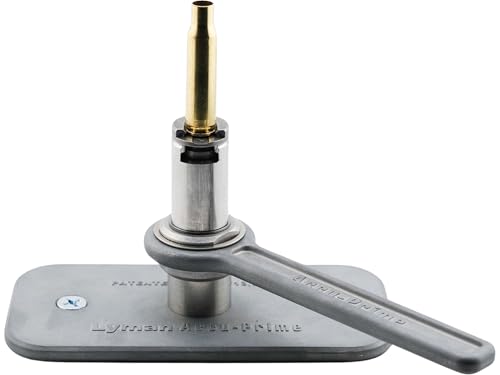
The Lyman Accu-Prime Manual Bench Priming Tool represents a traditional bench priming option with a focus on precision and reliability. Lyman has long been recognized for innovation in reloading equipment, and this manual model reflects that legacy through a straightforward, low-effort priming process. The manual operation gives everyday shooters tactile control over primer seating, which can be advantageous for those prioritizing consistent primer depth and seating feel. The design emphasizes stable bench placement and a predictable cycle, making it well-suited for steady, deliberate priming on a dedicated loading bench.
Users benefit from a clear, uncomplicated priming action that reduces the risk of misfeeds and double-seat errors. While manual priming may require slightly more attention than an auto system, the kinetic feedback from each primer seat can help shooters detect seating anomalies early. For reloaders who prefer a traditional approach or who value budget-friendly, dependable bench tools, this Lyman model offers a proven pathway to consistent primer seating without relying on motorized action.
RCBS 90201 Universal Hand Priming Tool

The RCBS 90201 Universal Hand Priming Tool is a versatile hand priming solution designed for broad primer compatibility. It includes accessories to seat large and small rifle or pistol primers, plus a removable primer tray that orients primers for efficient loading. This tool is especially convenient for reloaders who want a compact, portable priming option that can be used on a bench or in the field. Its universal compatibility means it can adapt to various manufacturers’ primer packaging, reducing the need for multiple tools on the workbench.
Seating primers with precision is the tool’s primary objective, and the 90201 achieves that through a straightforward cycle and dependable construction. The removable orientation tray helps keep primers aligned during loading, minimizing drift and misfeeds. For shooters who value flexibility and a single, reliable hand priming solution that adapts to different primer brands, this RCBS model provides solid performance with practical accessories to support a wide range of scenarios.
RCBS 9460 Auto Priming Tool

The RCBS 9460 Auto Priming Tool is an automated option engineered for dependable, repeatable primer seating. With an approximate weight of 2.25 pounds, it strikes a balance between solid build and manageable handling on a reloading bench. RCBS’s design philosophy emphasizes consistent primer seating, reducing variation that can affect ammunition performance. This model is well-suited for shooters who need a compact, reliable auto-priming solution that integrates smoothly with existing bench setups and presses, delivering steady priming cycles across long sessions.
From a maintenance perspective, the 9460’s straightforward mechanism minimizes complexity while offering dependable service life. Users can expect predictable seating depth and a smooth trigger-like action that maintains uniform primer alignment. For those who want an automatic priming experience without extensive setup or custom accessories, this RCBS tool provides a practical, durable choice backed by a legacy brand in reloading hardware.
Lee Precision 90230 New Auto Prime Hand Priming Tool

The Lee Precision 90230 New Auto Prime Hand Priming Tool is a compact, hand-held priming option designed for flexibility and portability. It uses the Lee Auto Prime shell holder system, enabling compatibility with a broad range of primers. This model is particularly appealing for shooters who primed on a bench but want the option to prime off the press or in small-space setups. Its lightweight profile and straightforward operation make it a practical addition to any reloading kit where space or mobility matters.
Despite its portability, the tool maintains a dependable priming action with consistent seating depth. The user can expect smooth primer feeding and reliable performance across primer brands, making it a sensible choice for those who value a simple, ergonomic hand priming solution. For hobbyists and seasoned reloaders alike, this Lee model offers an approachable balance of versatility and dependable results in a compact package.
Buying Guide
Key purchase considerations
Choosing the right priming tool depends on how you plan to reload. Bench priming tools excel for high-volume sessions and steady accuracy, while hand priming tools offer portability and flexibility. Consider compatibility with your primers, the required force of seating, and how easy it is to switch primer sizes or brands without disrupting workflow. Durability, ease of maintenance, and the availability of replacement parts should factor into the decision, as these influence long-term reliability and overall value.
Bench vs. hand priming
Bench models typically provide faster cycles and stable seating on a dedicated reloading station, which helps sustain accuracy over long sessions. Hand priming tools prioritize portability and versatility for compact setups or field work. If you load large volumes or value repeatability at a fixed workstation, a bench tool is advantageous. If you need to prime at multiple locations or in a limited space, a high-quality hand priming tool may be the better choice.
Primer compatibility and accessories
Look for universal compatibility with different primer brands and easy tray orientation. Tools that can seat both large and small primers without frequent tray changes reduce downtime. Accessories like orientation trays and size-specific inserts add value by simplifying primer management. Be cautious of models that require proprietary primer packaging or specialized shells, which can limit flexibility.
Ergonomics, ease of use, and maintenance
Ergonomics matter for extended sessions. A comfortable grip, accessible control levers, and smooth cycling reduce fatigue and operator error. Maintenance considerations include availability of replacement trays, springs, and screws, as well as ease of disassembly for cleaning. Tools built from durable materials and backed by reputable brands typically offer longer service life, lower maintenance frequency, and predictable performance.
Cost, value, and brand support
Price is only one part of value. A slightly higher upfront cost may be worthwhile if it yields longer life, easier maintenance, and broader compatibility. Consider the brand’s reputation for customer support, spare parts availability, and warranty terms. When evaluating several models, weigh how often you will replace components and whether the tool’s capabilities align with your specific reloading goals and primer preferences.