Choosing the right blade is crucial when cutting metal roofing. The optimal blade balances durability, heat resistance, and clean, burr-free cuts while fitting your saw. This guide spotlights five high-performance blades designed for metal roofing work, spanning carbide-tipped, cermet, and diamond-edge technologies. Each option is evaluated for typical roofing tasks—steel roofing, metal siding, studs, and piping—so you can select the best tool for efficiency, safety, and long-term value.
| Product | Brand | Size / Teeth | Key Benefit |
|---|---|---|---|
| Norske Tools NCSBP210 | Norske | 6-1/2″ x 48T | 0° hook angle reduces overfeeding, jamming, tooth breakage, and kickback; steel roofing ready |
| Benchmark Abrasives TCT 6-1/2″ | Benchmark Abrasives | 6-1/2″ x 48T | Tungsten carbide tips; versatile for various metals; durable for long runs |
| TWIN-TOWN 12-Inch Blade | TWIN-TOWN | 12″ x 60T | Cermet tips with cool-cut design; stabilizers reduce vibration |
| SHDIATOOL Diamond Blade | SHDIATOOL | 4-1/2″ x 7/8″ arbor | Vacuum-brazed diamond edge; all-purpose cut-off for steel and rebar |
| DEWALT 14″ Chop Saw Blade | DEWALT | 14″ cut-off wheel | High-performance aluminum oxide grain for fast, durable cuts |
Introduction completed. Below are the five most relevant blades for metal roofing, with concise details to help you compare at a glance and choose the right tool for your project.
Norske 6-1/2in Metal Cutting Blade for Roofing

The Norske Tools NCSBP210 blade is built for steel roofing, metal siding, steel pipe, and steel studs, offering a 6-1/2 inch cutting diameter with 48 teeth. Its 0° hook angle is designed to minimize overfeeding, reducing jamming, tooth breakage, and kickback during metal-cutting tasks. This configuration supports smoother, more controlled cuts in demanding roofing applications and helps maintain blade life through repeated use on tough materials.
Benchmark TCT 6-1/2in Metal Cutting Blade

The Benchmark Abrasives TCT blade uses tungsten carbide tips to deliver durable, clean cuts through metals including cast iron, steel, stainless steel, titanium, nickel, and wrought iron. Its 6-1/2 inch diameter and 48 teeth are suitable for miter saws and other circular saws, providing reliable performance for metal roofing components, pipes, and studs. The carbide tips extend blade life, making it a practical choice for frequent roofing projects requiring precise, burr-free results.
Twin-Town 12-Inch Metal Cutting Blade

TWIN-TOWN’s 12-inch, 60-teeth blade uses a cermet tip construction intended to deliver a cool cut and extended life when cutting steel and other ferrous metals. Laser-cut stabilizer vents help trap noise and reduce vibration, aiding blade longevity and stability during long roofing cuts. The larger diameter suits heavier-duty cuts on thicker metal sections, reducing rework for complex roofing installations and replacements.
SHDIATOOL Diamond Blade for Metal Cutting
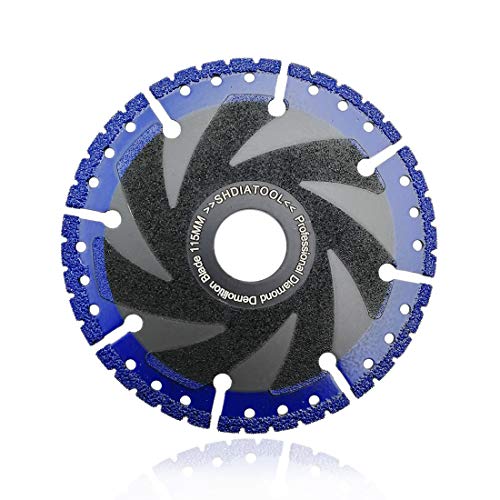
The SHDIATOOL 4-1/2 Inch Diamond Blade features a vacuum-brazed diamond edge with a steel core. Diamond segments are permanently brazed and designed for heat resistance, delivering high cutting speed and extended life on metal like rebar, sheet metal, angle iron, and stainless steel. With dual-sided coating and a 7/8 inch arbor, this blade is well-suited for handheld grinders or trim saws used in tight roofing work and metal fabrication jobs.
DeWalt 14-Inch Metal Cut-Off Blade

The DeWalt 14-inch metal cut-off blade uses high-performance aluminum oxide grain to deliver fast cuts and long life. Its high-grain concentration supports aggressive cutting through metal with reduced vibration, making it suitable for chop saw applications where quick, straight cuts on steel and other metals are needed. The blade is designed for durability in demanding roofing and metal fabrication tasks while maintaining consistent performance over time.
Buying Guide
Blade Materials And Construction
Blades come in carbide-tipped (TCT), cermet, and diamond-edge variants. Carbide-tipped blades extend life on steel and ferrous metals and deliver precise cuts. Diamond blades excel at cutting through harder materials and rebar with reduced wear but tend to be pricier. Cermet blades balance ceramic and metal for cooler cuts and longer life under metal-working conditions. For metal roofing, prioritize blades designed for metal, with a robust tooth geometry and heat-resistant materials to minimize warping and burrs.
Size, Arbor, And Saw Compatibility
Match blade diameter to your saw’s capacity: 6-1/2″ and 7-1/4″ blades are common for circular saws used in roofing work, while 12″ and 14″ blades are typical for chop saws and large-cut applications. Check arbor size (commonly 5/8″, 1″, or metric equivalents) and ensure compatibility with your tool. A blade with a zero or low hook angle can help reduce kickback on metal, particularly in overhead roofing cuts. Always confirm the blade’s intended material compatibility and the saw you plan to use it with.
Teeth Count, Kerf, And Cut Quality
Tooth count influences cut speed and finish. Fewer teeth (lower TPI) cut faster but leave rougher edges, while more teeth yield smoother finishes. For metal roofing, a balance around 48–60 teeth is common, while thicker or thicker-walled materials may benefit from blades with more teeth. Kerf width affects material removal and heat generation; thinner kerf blades reduce material loss and heat but require precise alignment. Look for low-resistance coatings and stabilization features to improve cut quality and blade life.
Durability, Heat Management, And Safety
Metalworking blades should manage heat effectively to prevent warping and premature wear. Vacuum brazed diamond blades and cermet blades offer good heat resistance; carbide blades are versatile and durable but may wear faster on harder metals. Use the appropriate PPE, clamp material securely, and maintain a steady feed rate to control heat. For recurring roofing tasks, investing in a blade with a proven longevity and reduced vibration can improve both safety and productivity.
Usage Scenarios And Budget Considerations
Choose blades based on typical roofing tasks: cutting steel studs, pipes, metal siding, or rebar. For quick trim cuts on metal roofing, a 6-1/2″ blade with 48–60 teeth often provides a good mix of speed and finish. For heavy-duty cutting or thicker sections, larger blades like 12″ or 14″ options can reduce passes and rework. While diamond and cermet blades tend to be more expensive upfront, their longer life can offer better value for frequent roofing projects.