Choosing the right chop saw blade can dramatically improve cut quality, reduce heat and burrs, and extend blade life. This guide highlights five top blades suitable for metal and mixed-material projects, with attention to durability, speed, and finish. Each option is evaluated by tooth design, compatibility, and material performance to help American shoppers select confidently for their chop saw setup.
| Product | Brand | Blade Type | Teeth | Suitable For |
|---|---|---|---|---|
| Evolution 14BLADEST | EVOLUTION | Mild Steel Cutting Blade | 66 | Mild steel and ferrous metal |
| Diablo D1472CF | Diablo | Cermet II Metal Cutting | 72 | Medium metal, high wear resistance |
| DEWALT DW8001 | DEWALT | Metal Cutting Wheel | – | General metal cutting |
| DEWALT DW3128P5 | DEWALT | Miter Saw Blade, Crosscut | 80/32 | Wood and crosscutting |
| FOXBC 66T 14″ 180HD | FOXBC | Metal Cutting Cermet/Tungsten | 66 | Metal cutting and heavy ferrous work |
Note: This table is for quick reference. Individual blades have strongest performance in specific applications; read product features for details before purchasing.
Evolution 14BLADEST Blade for Mild Steel
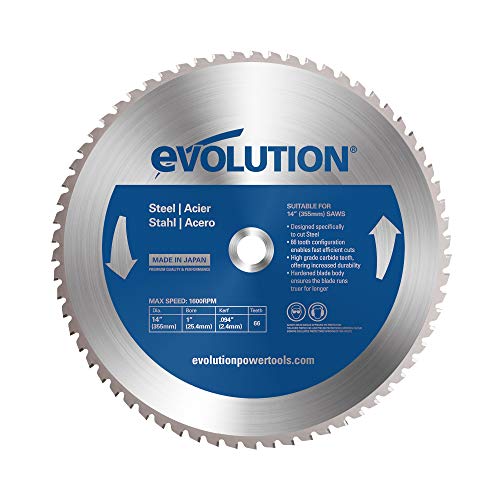
The Evolution 14BLADEST blade is a 14-inch carbide-tipped TCT blade designed specifically for cutting mild steel and ferrous metals. With 66 teeth, it aims to deliver smooth cuts with reduced heat, burrs, and sparks, making it suitable for cold metal cutting tasks. The blade is optimized for chop saw use and emphasizes durable performance through high-quality Japanese carbide and heat treatment. It is not recommended for galvanized, hardened, or high-carbon steel, ensuring users select the right material compatibility for best results. Applications include steel plates, channels, and other mild steel components where quick, clean cuts are essential.
Key features and considerations:
– 14-inch diameter with 66 teeth for efficient metal cutting
– Carbide-tipped (TC) construction for durability
– Designed to minimize heat buildup and burr formation
– Best used on mild steel and ferrous metals; avoid non-ferrous or hardened steels
– Designed for use with compatible 14-inch chop saws
Diablo Steel Demon D1472CF (Cermet II)

Diablo’s Steel Demon Cermet II saw blade is designed for medium metal cutting with triple chip cutting action. The Cermet II teeth blend ceramic and carbide materials to deliver extended blade life, high heat tolerance, and durable wear resistance. Diablo markets this blade as producing cooler and faster cuts relative to standard grinding discs, potentially reducing cutting time and heat buildup. The triple chip grind pattern helps produce burr-free, precise cuts with fewer sparks, which is beneficial for applications requiring clean edges and reduced post-cut finishing. It’s compatible with large-diameter miter and chop saws that accept 14″ blades and RPMs around typical metal-cutting speeds.
Key features and considerations:
– 72 teeth for smoother finishes on metal
– Cermet II technology for enhanced life and heat tolerance
– Cooler, faster cuts reduce heat and burrs
– Triple chip grind promotes precision and reduced sparks
– Suitable for medium metal cutting tasks with compatible saws
DEWALT 12-Inch Miter Saw Blade (DW3128P5)
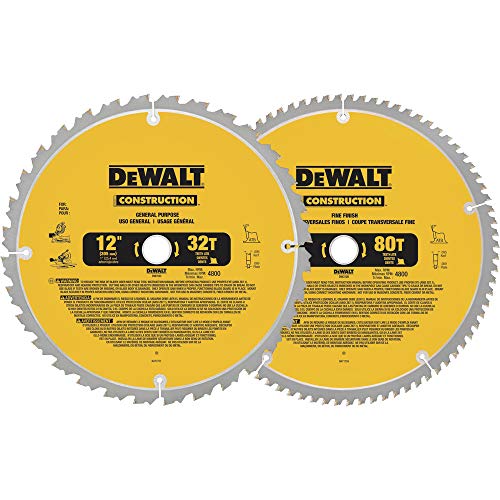
This DEWALT crosscut miter saw blade bundle includes two blades: one 80-tooth and one 32-tooth, designed to provide versatile performance for crosscutting and finishing tasks on wood and wood composites. The 80-tooth blade offers fine finishes on delicate woods, while the 32-tooth blade increases material removal rates for faster rough cuts. While primarily a woodworking blade, this pairing is a common inclusion in mixed shop setups where crosscut and precision wood cuts are frequent. The blades are designed to deliver stable performance with a refined cut and consistent results across a range of wood species.
Key features and considerations:
– Dual blade set: 80-tooth and 32-tooth for versatility
– Tungsten carbide tips for long life
– Optimized for accurate, clean crosscuts
– Primarily intended for wood and wood composites
– Not optimized for metal cutting
DEWALT 14″ Chop Saw Blade (DW8001)

DEWALT’s 14-inch metal cutting blade offers high-performance aluminum oxide grain for a long life and fast cutting. The blade features a high grain concentration for aggressive cutting action and smooth operation. The proprietary material mix helps ensure durable long life wheels for metal cutting, making it a strong option for users needing reliable speed and edge quality on ferrous metals. This blade is designed for metal cutting tasks that require robust performance and consistent results, though it is often paired with chop saws for larger metalwork projects.
Key features and considerations:
– Aluminum oxide grain for durability and fast cutting
– High grain concentration for aggressive metal cutting
– Designed for long life and reliability
– Suitable for a range of metal cutting tasks on chop saws
– Best used on ferrous metals and steel components
Metabo HPT 10-Inch Miter Saw Blade (C10FCG2)
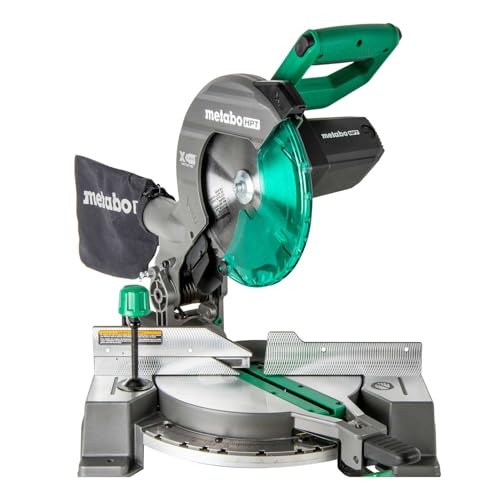
The Metabo HPT C10FCG2 blade is a 10-inch, single bevel miter saw blade designed for precise miter cuts in woodworking. It includes a 40-tooth TCT blade optimized for clean, accurate cuts and a 5,000 RPM no-load speed, aligning with common small to mid-size miter saws. The blade emphasizes precise miter angles, improved scale readability, and stable material support through its design. It’s a solid pick for woodworkers seeking reliable, clean crosscuts and precise bevels on wooden stock, with practical portability for job sites.
Key features and considerations:
– 10-inch blade with 40 teeth
– Designed for precise miter and crosscuts in wood
– No-load speed up to 5,000 RPM
– Lightweight and portable at about 24 lbs
– Suitable for woodworking projects, not metal cutting
14 Inch Metal Cutting Blade 66 Teeth (Xmnbl)

The 14BLADEST-style blade by Xmnbl is a 14-inch carbide-tipped blade with 66 teeth designed to cut mild steel and similar ferrous materials. It emphasizes compatibility with Evolution S14CPS/S355 series saws and other 14-inch metal cutting systems operating at similar RPMs. This blade features a wide range of applications from structural steel to piping and similar ferrous components, with a focus on stable wear resistance and precise cutting for better dimensional control. It uses a more advanced carbide construction to improve edge retention under repeated metal cutting workloads.
Key features and considerations:
– 66-teeth carbide-tipped design
– 14-inch diameter for common 14″ metal saws
– Designed for mild steel and ferrous cuts
– Compatible with Evo and other 14″ metal saws
– High durability with improved wear resistance
FOXBC 66T 14″ Metal Cutting Blade

FOXBC’s 14-inch 66-tooth blade is designed for Evolution 14-inch chop saws and other compatible metal cutting saws, offering a 0.095″ kerf and a 1-inch arbor. It is positioned for heavy-duty metal cutting across studs, tubing, channels, and pipe. The blade’s TCG tooth geometry supports smoother cuts with lower resistance and less heat generation, contributing to longer blade life in ferrous metal cutting tasks. It is marketed as suitable for a wide range of steel-based materials and is compatible with several Evolution and third-party 14″ chop saw configurations.
Key features and considerations:
– 66 teeth, 0.095″ kerf
– 1800 max RPM compatibility
– 1″ arbor for standard 14″ saws
– TCG tooth grind for smoother cuts
– Broad metal cutting suitability for studs, pipes, and bars
Buying Guide: Key Purchase Considerations and Comparisons
- Blade material and design: Carbide-tipped and cermet blades offer longer life and heat resistance in metal cutting, while tungsten carbide blends are common for wood and mixed-material tasks. Choose based on the primary material you cut.
- Tooth count and finish: Higher tooth counts deliver smoother cuts with finer finishes but remove material more slowly. Lower tooth counts cut faster but leave rougher edges, useful for rough stock removal before finishing.
- Diameter and arbor compatibility: Most chop saw blades come in 14″ diameters with standard 1″ arbors, but verify fit for your specific saw model to avoid vibrations or misalignment.
- RPM compatibility: Ensure the blade’s maximum RPM matches or exceeds your saw’s no-load RPM to prevent edges from dulling or shattering.
- Intended use: Use metal-cutting blades for ferrous materials, and woodworking blades for wood and composites. Mixing blades can lead to suboptimal results or safety concerns.
- Heat and burr control: Blades designed for low heat and burr reduction help maintain edge quality and reduce post-cut finishing work, particularly for critical structural components.
- Brand and availability: Reputable brands with compatible replacement blades often provide better consistency and warranty support, which is important for frequent users.
- Maintenance and usage cautions: Follow manufacturer guidelines on cutting speeds, cooling, and proper feed rate to maximize blade life and safety.