Choosing a corded 7-1/4-inch circular saw means prioritizing consistent power, reliable cutting depth, and comfortable handling for long work days. The following five products offer a range of designs—from lightweight, straight-forward corded models to precision-focused blades and a feature-rich worm-drive option—to help you compare what truly matters on the job site. Each entry presents essential specs, plus real-world considerations to help you decide which saw fits your projects, whether you’re framing, decking, or finishing trim.
| Product | Brand | Type | Notable Feature |
|---|---|---|---|
| DEWALT 7-1/4-Inch Corded Circular Saw DWE575 | DEWALT | Corded | Lightweight at 8.8 lb; 15A motor; bevel up to 53° with stops at 45° and 22.5° |
| Milwaukee 7-1/4-Inch Corded Circular Saw 2830-20 | Milwaukee | Corded | Rear-handle design; model 2830-20; robust corded performance |
| IRWIN Tools Classic Series 7-1/4-Inch Circular Saw Blade 11840 | IRWIN | Blade | Precision-ground teeth; hardened blade plate; high-carbon steel |
| Bosch 7-1/4-Inch Worm Drive Circular Saw CSW41 | Bosch | Corded (Worm Drive) | Magnesium construction; left-side blade; 5,300 rpm; 15A |
| Ecarke 7-1/4-Inch Cordless Circular Saw | Ecarke | Cordless | Brushless 5,000 RPM; laser guide; 0–45° bevel; 2 blades |
DEWALT 7-1/4-Inch Corded Circular Saw DWE575

The DEWALT DWE575 emphasizes portability without sacrificing power. With a precisely engineered 15-amp motor, it handles typical framing and carpentry tasks with steady performance. At 8.8 pounds, it sits near the lighter end of corded 7-1/4-inch saws, helping reduce fatigue on long runs. The bevel scale reaches up to 53 degrees and includes stops at 45 and 22.5 degrees, enabling accurate angled cuts for precise bevel work on studs, plywood, and decking.
Designed for practical use on diverse jobsites, this model balances a compact footprint with reliable depth of cut and bevel control. The DWE575 is well-suited for users who want a straightforward, dependable corded saw that delivers clean cuts while remaining comfortable to guide along long boards and sheets. It lacks some advanced features found on higher-end or cordless models, but it remains a dependable, workhorse option for traditional framing and remodeling tasks.
Milwaukee 7-1/4-Inch Corded Circular Saw 2830-20

The Milwaukee 2830-20 presents a robust corded option with a rear-handle design that prioritizes balance and straight-line control. While the listing here identifies the model, the tool is designed for consistent power delivery and reliable cuts in common framing and remodeling tasks. Its corded configuration ensures dependable performance without battery limitations, making it a practical choice for shop-offices and job sites where a steady power supply is available.
Users can expect straightforward operation with a classic bevel range suitable for everyday cuts. The 2830-20 is a dependable choice for professionals who value predictable performance, simple maintenance, and compatibility with standard 7-1/4-inch blades. It serves well for people who prefer a traditional, no-frills approach to mid- to large-scale carpentry work.
IRWIN Tools Classic Series 7-1/4-Inch Circular Saw Blade 11840

IRWIN’s 11840 blade is a purpose-built accessory that affects how a circular saw performs, especially on 7-1/4-inch setups. The blade features precision-ground teeth designed for smooth, accurate cuts and a fully hardened blade plate that supports truer performance over time. Built with heavy-gauge, high-carbon steel, this blade is engineered for longer life and steadier cuts through a range of materials, from softwood to plywood and composites.
Choosing a high-quality blade can meaningfully improve cut quality, reduce tear-out, and extend the blade’s usable life between sharpenings. While not a saw itself, upgrading to a proven 7-1/4-inch blade like this IRWIN model can complement both corded and cordless saws by delivering cleaner results on critical projects.
Bosch 7-1/4-Inch Worm Drive Circular Saw CSW41
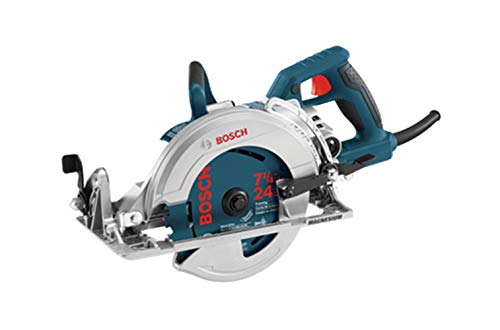
The Bosch CSW41 worm-drive circular saw is designed to deliver strong torque and precise control, aided by a magnesium construction that helps keep weight manageable. The worm-drive design provides added torque for tough cuts and superior control, especially when ripping through thick stock. A left-side blade arrangement enhances line-of-cut visibility, enabling more accurate, cleaner results when tracking along a line.
With a no-load speed of about 5,300 rpm and a robust 15-amp motor, the CSW41 is suited for demanding framing tasks and heavy-duty remodeling. The combination of lower weight, improved balance, and powerful gearing makes it a compelling option for professionals who value precision and consistent performance on larger cuts.
Ecarke 7-1/4-Inch Cordless Circular Saw
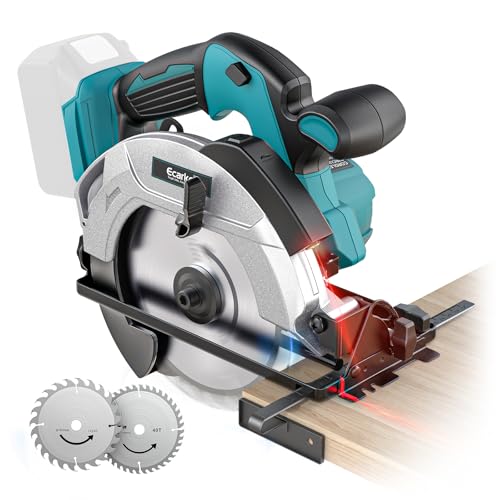
The Ecarke 7-1/4-inch cordless circular saw features a high-performance brushless motor rated at 5,000 RPM, aimed at delivering strong cutting performance with extended runtime. A built-in laser guide helps operators make straight, accurate cuts for framing, trim, and cabinetry projects, reducing guesswork on the job site. The saw offers 0–45° bevel capability and a maximum cutting depth of up to 2-1/4 inches, making it versatile for common carpentry tasks.
Included with the package are two blades (24T and 40T) for different materials, plus a laser guide that requires two AAA batteries (not included). This model provides a convenient cordless option with precision aids for projects where mobility and flexibility are priorities, alongside the corded comparisons in this guide.
Buying Guide
- Power source: Corded saws provide constant power without battery changes, ideal for long tasks or shop use. Cordless models offer mobility but require battery management and charging downtime. Consider how frequently you work away from outlets and whether you need continuous runtime on a single job.
- Bevel capacity and depth of cut: Look for saws offering at least 45–53 degrees of bevel and a practical depth of cut (typically around 2-1/2 inches at 90°). If you cut thick stock or need precise angled joints, higher bevel reach and reliable stops matter for repeatable results.
- Weight and ergonomics: Lighter saws reduce fatigue on extended sessions, but heavier, more durable models can feel more solid in heavy-duty framing. Consider handle design, balance, and vibration control to choose a comfortable option for your workload.
- Motor power and gearing: A 15-amp motor is standard for corded 7-1/4-inch saws and generally sufficient for framing and decking. Worm-drive designs typically offer more torque, which can improve ripping and tough cuts at the cost of weight and price.
- Blade type and compatibility: Ensure the saw accepts standard 7-1/4-inch blades and that you have access to quality blades for your material mix. A high-quality blade pair can dramatically improve cut quality and blade life.
- Safety and features: Modern models may include electric brakes, blade guards, and sightline aids like laser guides or left-side blade designs for clearer cut lines. Consider how these features align with your workflow and safety standards.
- Maintenance and durability: Magnesium or aluminum housing reduces weight while maintaining durability. Look for corrosion resistance, easy blade changes, and compatibility with common accessories to maximize longevity.
- Price-to-performance balance: The most expensive option isn’t always the best fit. Weigh features like forceful torque, bevel range, and ergonomic design against your typical projects and budget.
- Usage scenarios: For pure framing work with long rip cuts, a worm-drive or rear-handle corded saw can offer better torque and control. For lighter tasks or tight spaces, a lightweight corded model with strong bevels and comfortable handling might be preferable.