Choosing the right cut off tool can dramatically improve efficiency in metalworking, auto-body repairs, and tile installations. Cordless models offer mobility for overhead or scaffold work, while pneumatic options excel in continuous use with minimal heat buildup. This guide highlights five credible options that balance power, ergonomics, and versatility. Each tool suits different materials, from steel and exhaust systems to ceramic tile and heavy sheet metal. Read on to compare capabilities, blade compatibility, and practical use cases for everyday shop tasks.
The following summary table provides a quick snapshot of the five selected tools, focusing on power source, RPM ranges, and standout features. This helps you map your needs to a tool type before diving into detailed reviews.
| Product | Brand | Power Source | Key Feature | Typical Use |
|---|---|---|---|---|
| DEWALT 20V Max XR Cut Off Tool | DEWALT | Cordless (20V) | Brushless motor; multiple wheels; LED light | Metal, tile, and masonry cuts on the go |
| Makita XCM01Z 3″ Cut-Off Tool | Makita | Cordless (18V) | Brushless motor; one-handed operation | Precision cuts with easy single-hand control |
| Genesis GCOT335 3.5-Amp Cutoff Tool | Genesis | corded | High RPM; versatile for auto-body and metal work | Auto-body, straps, exhaust, sheet metal |
| PROSHI 3-Inch Air Cut-Off Tool | PROSHI | Pneumatic | 180-degree guard; 18,000 RPM; airflow adjustments | Heavy-duty metal cutting and quick finishes |
| Milwaukee 12V Cut Off Tool | Milwaukee | Cordless (12V) | Reversible blade rotation; brushless motor | Controlled cuts in tight spaces |
DEWALT 20V Max XR Cut Off Tool

The DEWALT DCS438B is designed for demanding applications, leveraging a brushless motor to deliver up to 550 MWO performance. This model is compact and light, which reduces operator fatigue during lengthy cuts. The tool ships with a variety of wheels—Bonded Abrasive, Diamond Multi-Material, and Diamond Tile—so users can tackle metal, tile, and mixed-material tasks with a single tool. An integrated LED illuminates the work area, improving accuracy in dim spaces. Cordless operation enhances mobility on ladders, scaffolds, or uneven surfaces where power outlets are scarce.
In practice, the DCS438B is well-suited for shop and field settings where versatile wheel choice matters. The brushless design improves motor efficiency and lifespan, while the bright LED helps with alignment on small, precise cuts. The bare tool format makes it a compatible core for a user who already owns compatible 20V batteries. For safety, tight-grip ergonomics and a low-profile head help with flush cuts in tight corners. This model is particularly effective for metal fabrication, tile work, and piping scenarios where clean, controlled cuts are essential.
Makita XCM01Z 3″ Cut-Off Tool

The Makita XCM01Z offers a robust cordless option powered by Makita’s brushless motor, delivering up to 20,000 RPM for fast, clean cuts. Its architecture prioritizes one-handed operation, with an ergonomically placed switch that enables easy forward and reverse control for efficient work in tight spaces or awkward angles. The battery compatibility within the Makita 18V LXT system provides broad accessory support, making it a solid choice for tradespeople who already own Makita tools. The combination of speed, precision, and portability makes this model well-suited to metal cutting, automotive trim, and tile edging tasks where maneuverability matters.
This tool shines in scenarios requiring rapid, controlled cuts with minimal vibration and fatigue. The brushless design contributes to better energy efficiency and runtime per charge, while the forward/reverse switch supports smoother, more precise progress on repetitive cuts. As a tool-only option, it’s attractive for professionals who already own compatible batteries and want a compact, responsive cutter for light to medium-duty metal and tile work. Overall, Makita balances speed with comfort, ideal for daily shop use and contractor tasks.
Genesis GCOT335 3.5-Amp Cutoff Tool
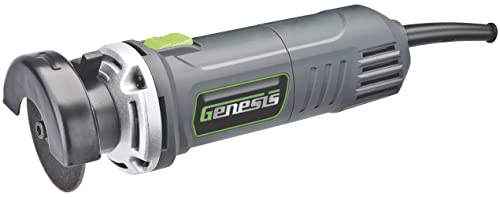
The Genesis GCOT335 is a corded cutoff tool with a 3.5-amp motor that produces up to 24,000 RPM. It is positioned as a versatile auto-body and metal-cutting tool capable of handling straps, hangers, exhaust systems, sheet metal, and pipes. The tool’s high no-load speed supports rapid progress on heavy gauge materials, making it a practical choice for shop environments where continuous operation is common. For users who prioritize a straightforward, corded solution with strong RPM at a reasonable price, this model offers dependable performance.
Practical considerations include its light weight relative to larger models and its suitability for medium-duty work rather than heavy, continuous cutting. The GCOT335’s straightforward design means fewer setup hassles during quick, in-and-out repairs. It is most effective in auto-body tasks, exhaust work, and sheet-metal projects where a consistent, reliable cut is required without the need for battery management. Overall, Genesis provides a budget-friendly option that covers essential metal-cutting needs with solid RPM performance.
PROSHI 3-Inch Air Cut-Off Tool
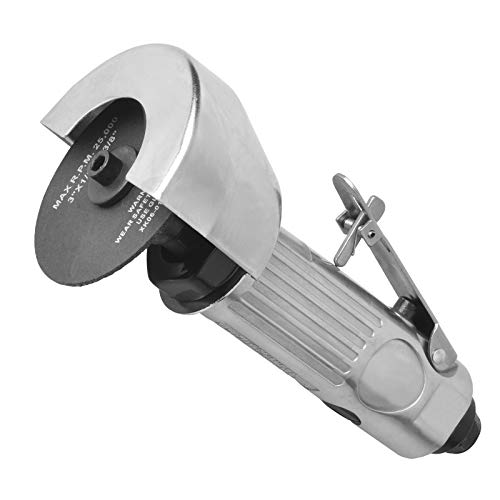
The PROSHI 3-inch air cut-off tool is a pneumatic option designed for high-speed metal cutting in workshops and bays where air lines are readily available. It reaches up to 18,000 RPM and ships with 3″ cut-off wheels and a 180-degree guard, which helps with safer cuts and better visibility. Pneumatic tools like this typically offer cool operation during extended use, which can be advantageous for continuous metalwork. The adjustable airflow feature gives operators more control over speed and torque, helping to prevent wheel glazing and overheating during longer tasks.
This model is well-suited for professionals who work in metal fabrication, automotive exhaust work, or fabrication shops that prioritize low heat generation and consistent air-powered performance. While it may require an air compressor and hoses, the pneumatic design typically delivers reliable, durable operation in demanding environments. If you already rely on air-powered tools, the PROSHI option can be the fastest route to steady, high-speed cuts without battery management concerns.
Milwaukee 12V Cut-Off Tool Kit

The Milwaukee 12V Cut-Off Tool is a compact cordless option designed for tight spaces and overhead tasks. It features a Powerstate brushless motor for improved power delivery and longer motor life, along with RedLink Plus intelligence for optimized performance and overload protection. The tool supports reversible blade rotation, giving users more cut-control, especially in confined or awkward angles. This Bare Tool is well-suited for light to medium-duty metal cutting, auto-body trim, and quick cut tasks where a smaller form factor makes precision easier in crowded job sites.
Battery compatibility within the Milwaukee line ensures that you can integrate this cutter with existing 12V tool kits. While it may not match larger, high-powered cordless models in raw speed, its emphasis on control, safety, and efficiency makes it a strong contender for daily shop use. For professionals who value mobility and versatility in compact spaces, this tool offers a practical balance of capability and portability.
Buying Guide
Key considerations when selecting a cut off tool include power source, cutting speed, and blade compatibility. Cordless models offer mobility for overhead or outdoor work, but must balance voltage with runtime. Pneumatic tools provide steady performance and cooler operation under heavy use, yet require a compressor and hoses. For most light-to-medium metal-cutting tasks, a brushless motor improves efficiency and longevity, while a reversible blade option boosts control in tight locations.
Another important factor is blade and wheel compatibility. Many tools ship with a mix of wheels for metal, tile, and composites; verify the included accessories and ensure you can source the right wheel types for your typical projects. Ergonomics—weight, grip texture, and balance—affects accuracy and fatigue, especially during long sessions. Safety features such as guards, easy-to-access lock-on switches, and LED work lights can significantly enhance precision and reduce risk.
RPM and power ratings help you tailor a tool to your material. Higher RPMs are beneficial for thin metal or tile, while heavy gauge metal may require more torque and a robust power supply. For auto-body or exhaust work, consider models with stable performance under load and the ability to cut through various contours. If you already own a battery platform (such as 18V Makita or 20V DeWALT), selecting a tool within that ecosystem can simplify charging and accessory compatibility.
Budget and value should influence your decision. A top-tier cordless cutter might offer premium longevity and faster cuts, while a more economical option can handle typical tasks effectively. For professionals who need predictable performance across a range of materials, a modular setup with both a cordless cutter and a pneumatic option may provide the most versatile shop solution. Evaluate your workload, space, and power access to choose a tool that best aligns with daily requirements and future needs.