Choosing the right ceiling insulation can dramatically improve energy efficiency, indoor comfort, and utility bills. This guide focuses on advanced reflective and foam-core solutions that perform well in attics, sloped ceilings, and general ceiling cavities. We compare several top-rated options, highlighting materials, installation ease, and performance features to help American homeowners decide what fits their climate and budget.
Summary of chosen products
| Product | Brand | Type | Key Benefit |
|---|---|---|---|
| SmartSHIELD -3mm 48inx10ft | INSULATION MARKETPLACE | Reflective Foil with Foam Core | High radiant barrier, moisture resistant |
| BEEST FullStop Spray Foam Kit | BEEST | Spray Foam Kit | High R-value in 2″ applications, easy all-in-one kit |
| SmartSHIELD -5mm 24″x50ft | INSULATION MARKETPLACE | Foam Core Radiant Barrier | Excellent radiant reflectivity, combined barrier |
| Halero 5mm Reflective Insulation | Halero | Foam Core with Double-Sided Foil | 2-way vapor and sound barrier, durable |
| SmartSHIELD -20mm 48″ x25ft | INSULATION MARKETPLACE | Thick Foam Core with Radiant Barrier | High R-value, strong condensation control |
INSULATION MARKETPLACE SmartSHIELD 3mm Reflective Foam Core Roll
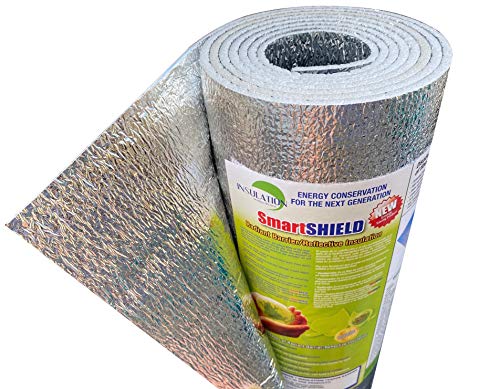
The SmartSHIELD 3mm roll combines a lightweight foam core with a highly reflective foil on both sides, delivering strong radiant barrier performance while remaining easy to handle for ceiling installations. Its 48 inch by 10-foot size eases placement across typical attic joists and ceiling cavities. The product claims reflectivity of up to 95% of radiant energy, and the closed-cell polyethylene foam provides moisture resistance. This makes it suitable for spaces where humidity or moisture exposure is a concern, without sacrificing ease of cutting or cleaning during installation.
Key considerations: This option emphasizes radiant energy reflection, which is particularly effective in hot climates or rooms exposed to direct sun in upper levels. The foam core offers a rigid base that helps fill irregularities in ceiling spaces, while still being light enough for DIY projects. As with all reflective insulation, performance improves with proper alignment and sealing at edges to prevent air gaps. It’s a good choice for retrofit ceilings or new builds where a balance of moisture resistance and radiant protection is valued.
BEEST FullStop Spray Foam Insulation Kit
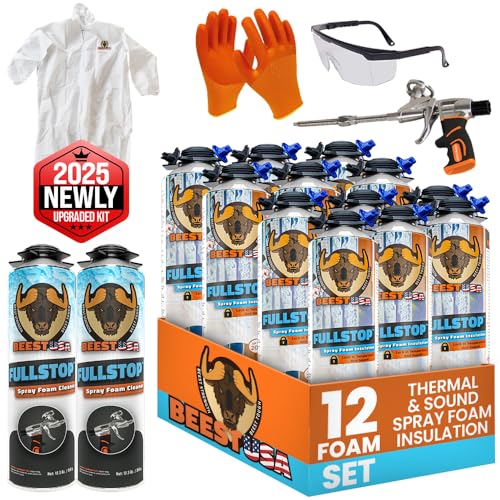
The BEEST FullStop kit is a comprehensive spray foam insulation solution designed for walls and attic ceilings. It advertises an R-value of 8.14 at a 2-inch application, suitable for sealing gaps and improving thermal performance in irregular surfaces where traditional batts struggle. The kit includes 12 cans, a dedicated spray gun, solvent-based cleaner, gloves, goggles, and a coverall, making it a turnkey option for DIY projects. It targets both thermal insulation and sound dampening, contributing to quieter spaces and more stable indoor temperatures across seasons.
Key considerations: DIY spray foam can offer significant energy savings, but proper ventilation, safe handling, and a consistent application technique are essential. Soundproofing benefits can be a practical plus for rooms adjacent to mechanical spaces or noisy urban settings. It’s important to follow manufacturer guidelines for temperatures and thickness to achieve the stated R-value. While effective, this option may require more preparation and protective gear compared with rigid or reflective insulation materials.
SmartSHIELD 5mm Reflective Insulation Roll
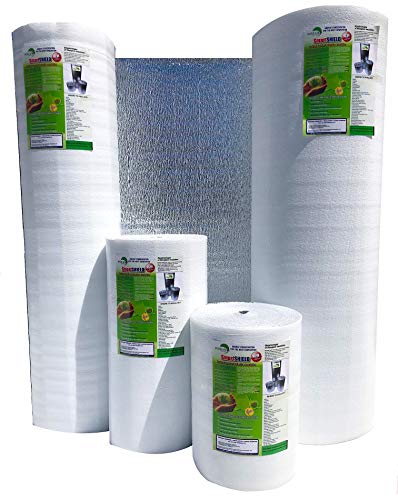
This 5mm thick roll pairs a foam core with a radiant barrier in a single package, delivering a higher R-value per area than thinner variants. It claims up to R-15 with a single layer and can reach higher values with multiple layers. The product acts as a radiant barrier, vapor barrier, and sound barrier, offering a compact all-in-one solution that reduces heat transfer, condensation risk, and noise intrusion. The white surface presents a clean look and typically requires no painting, which may simplify installation in finished ceilings or exposed attic spaces.
Key considerations: This option is well-suited for attics and ceiling cavities where space and installation time matter. The multiple barrier capabilities help in climates with wide diurnal temperature swings. Check local building codes for fire ratings and compatibility with other insulation layers when combining with traditional batts or blown-in insulation.
SmartSHIELD 20mm 48″ X25ft Foam Core Roll

This 20mm-thick insulation roll offers a substantial R-value increase for ceiling cavities, combining a foam core with a radiant barrier. It is designed for higher thermal resistance requirements, making it effective in both extreme heat and cold climates. The product emphasizes condensation control and a robust barrier against radiant heat, which can help maintain more stable interior temperatures. It is positioned as a durable, high-performance option for spaces where thinner products fall short.
Key considerations: A thicker roll can provide improved insulation but may require more careful handling and trimming to fit irregular ceiling shapes. Ensure compatibility with existing ceiling materials and consider layering with other insulation types for optimized performance in older homes or retrofits. Fire safety ratings and venting considerations should be reviewed per local code.
SmartSHIELD 1.5mm 48″ x100ft Reflective Roll

This commercial-grade option is a long, wide roll ideal for larger ceiling surfaces and continuous runs. The 1.5mm thickness balances flexibility with barrier performance, offering radiant reflectivity and a vapor barrier in a single product. Its substantial length makes it suitable for projects that require rapid coverage across expansive attic or ceiling areas. The described features emphasize condensation resistance and energy savings through reduced heat transfer.
Buying Guide: Key Purchase Considerations
- Climate and roof design: In hot climates, radiant barriers can significantly reduce cooling loads. In cold climates, thicker foam core options tend to deliver better overall R-values for ceilings with limited space.
- Fire safety and building codes: Check local regulations for fire ratings, vapor barrier requirements, and compatibility with existing insulation systems.
- Moisture and vapor control: Vapor barriers help prevent condensation. Consider humidity levels in the attic and any attic-to-living space air transfer concerns.
- Installation method and DIY readiness: Reflective foils are often easier to install and cut, while spray foams require careful handling and ventilation. Ensure you have appropriate safety gear if choosing spray foam.
- Air sealing complement: For best performance, combine insulation with air sealing around attic hatches, joists, and vent penetrations to minimize drafts and thermal leaks.
- Layering strategy: Some ceilings benefit from combining reflective barriers with traditional batts or blown-in insulation to maximize comfort across seasons.
- Cost and labor: Reflective foils tend to be cost-effective and quick to install, while spray foams may offer higher R-values per square foot but at greater labor or material cost.
- Durability and maintenance: Choose materials with low moisture absorption, good longevity, and resistance to tearing or punctures in attic environments.