Spray rust converters offer a quick, effective way to transform existing rust into a stable, paint-ready surface. This guide highlights top options, explains how to choose the right formula for your project, and compares each product’s strengths. Whether you’re restoring a trailer, tools, or outdoor furniture, these rust converters help prevent future corrosion with durable coatings and minimal prep time.
| Product | Brand | Key Benefit |
|---|---|---|
| Rust-Oleum 248658 Stops Rust Reformer Spray Paint | Rust-Oleum | Instant rust conversion; paintable black finish |
| Rust Kutter Stops Rust and Converts Rust Spots | Rust Kutter | Chemical rust conversion with primed surface |
| Seymour 16-45 Rust Converter | Seymour | Penetrates rust; protective black coating |
| FDC Rust Converter Ultra | FDC | High coverage; converts rust to inert coating |
| Rust-Oleum 344713 Automotive 2-In-1 Rust Reform & Seal | Rust-Oleum | Seals and protects with rubberized coating |
The following selections prioritize accessibility, surface compatibility, and long-term corrosion resistance. Each section provides practical details to help you pick the right spray for your metal surface and climate conditions.
Rust-Oleum Stops Rust Reformer Spray Paint

Usage: Apply to rusty metal surfaces to instantly convert rust into a flat black, paintable surface. The oil-based formula bonds with the rusted area to form a protective layer that resists future corrosion. Dries tack-free in 20-40 minutes, with a 24-hour window before topcoating. This product is well-suited for exterior metal like fences, gates, and trailers that need a quick rust-stop solution before painting.
Key considerations:
– Best for surfaces that will receive paint after treatment
– Oil-based formula offers strong adhesion on rusted metal
– Quick dry time enables faster project turnaround
Rust Kutter Stops Rust and Converts Rust Spots
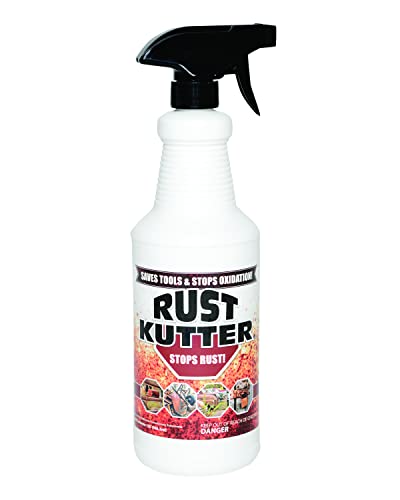
This rust converter chemically reacts with rust to form a stable, black compound that can be painted over easily. It creates a primed surface in one step, which is ideal for car bodies, tools, and outdoor equipment with active rust. The included sprayer assists with even coverage across larger areas, reducing the need for manual brushing.
Key considerations:
– Converts rust and primes in one product
– Suitable for metallic surfaces with visible corrosion
– Easy-to-use sprayer included
Seymour 16-45 Rust Converter

Designed for vehicles, trailers, fences, railings, and sheet metal, Seymour 16-45 penetrates rust and transforms it into a protective black coating. This converter helps prevent future rust growth by sealing the surface and forming a durable barrier. It’s a good choice for metal surfaces that require long-term protection in outdoor environments.
Key considerations:
– Penetrates rust for robust protection
– Creates a durable black coating
– Focused on exterior metal surfaces
FDC Rust Converter Ultra
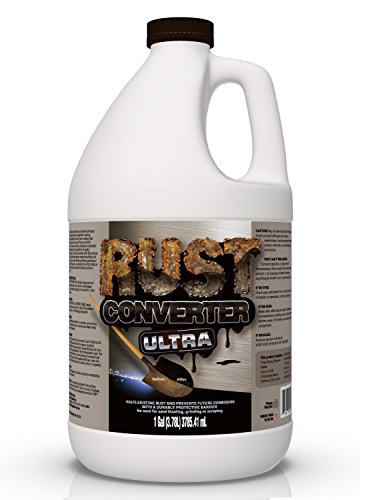
FDC Rust Converter Ultra converts rust into an inert coating that seals out moisture, reducing the need for extensive sandblasting or scraping. It offers substantial coverage—approximately 500 square feet per gallon on smooth, nonporous surfaces—making it a cost-effective option for larger projects. It’s suitable for workshops, barns, and equipment that require durable rust protection with minimal prep.
Key considerations:
– High coverage per gallon
– Eliminates aggressive surface prep
– Creates an inert, moisture-resistant coating
Rust-Oleum 344713 Automotive 2-In-1 Rust Reform & Seal

This 2-in-1 spray seals and protects metal surfaces with a flexible, rubberized coating. It offers superior chemical and abrasion resistance and dries to the touch in about an hour, covering 12-13 sq. ft. per can. It’s ideal for automotive components, outdoor metal pieces, and anywhere moisture needs to be kept at bay while maintaining surface flexibility.
Key considerations:
– Dual action: reform rust and seal
– Flexible coating resists cracking under movement
– Quick-dry and moderate coverage
Buying Guide: Key Purchase Considerations
Surface compatibility: Most spray rust converters work best on bare metal or lightly rusted areas. Heavily pitted metal may require more extensive prep or multiple coats. Consider whether you need a primer-ready surface or a sealant that also protects against moisture.
Drying and recoat times: If you’re on a tight schedule, look for products that dry tack-free within 20-40 minutes and allow topcoats after 24 hours. Some fast-dry formulas enable quicker project completion, while others may offer longer working times for larger areas.
Coverage and economics: Larger projects benefit from higher coverage per gallon or per can. Compare the per-square-foot coverage and total price to determine the most cost-effective option, especially when choosing multipacks like 3-packs or 6-packs.
Surface finish and paintability: Decide whether you need an immediate paintable surface (black or gray) or a final sealant. Oil-based formulations often provide strong adhesion for paints, while water-based options may offer easier cleanup and lower odor.
Application method: Some products include sprayers for even coverage, while others require brushing or rolling. If you’re applying on irregular shapes or hard-to-reach areas, a spray with adjustable nozzle can help achieve uniform results.
Environmental and safety considerations: Always follow label instructions regarding ventilation, skin protection, and disposal. Some rust converters produce strong fumes; use PPE as recommended and work in a well-ventilated area.
Long-term performance: For outdoor items, prioritize formulations that offer lasting corrosion resistance and moisture sealing. If you expect frequent exposure to salt, rain, or humidity, select coatings with robust abrasion and chemical resistance.
Brand and availability: Brands like Rust-Oleum, Seymour, Rust Kutter, and FDC have established track records for metal restoration. Availability in various pack sizes can help you tailor purchases to your project scale and storage space.