Removing baseboards is a common step in flooring, painting, or remodel projects. The right tool makes the job faster, safer for walls, and less prone to cosmetic damage. This guide highlights five top baseboard removal tools available on Amazon, focusing on leverage, durability, and control. Each tool is designed to handle baseboards, molding, and other trim with minimal collateral damage. Read on to compare features and choose the tool that best fits your DIY or professional needs.
| Product | Brand | Notable Feature |
|---|---|---|
| Goldblatt Trim Puller For Baseboards | Goldblatt | Large contact area with integrated wedge center |
| Goldblatt Trim Removal Tool (3-Inch Baseboard) | Goldblatt | Damage prevention via wider surface and wedge design |
| Tanzfrosch Trim Puller Tool For Baseboards | Tanzfrosch | Heavy-duty, ergonomic grip for precision work |
| SUMED Trim Puller For Baseboards | SUMED | Wide surface, integrated wedge center for stability |
| Bates Trim Puller For Baseboards | Bates Choice | Durable steel, anti-corrosion finish, non-slip grip |
Goldblatt Trim Puller For Baseboards
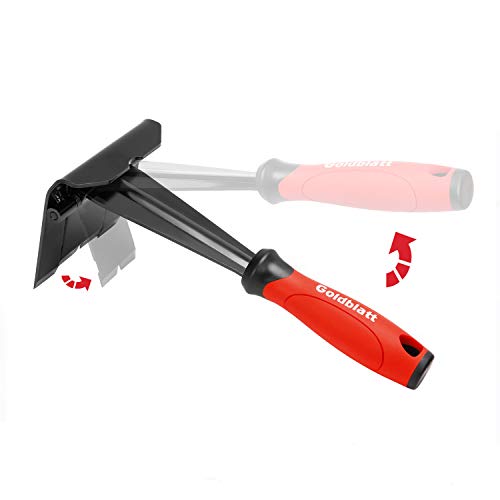
The Goldblatt Trim Puller is engineered to safeguard walls and floors during baseboard removal. It features a larger, flatter contact area and an integrated wedged center, which increases removal efficiency while reducing the risk of damage to trim and wall surfaces. Built from carbon steel and 65Mn steel, this tool combines strength with durability and resists bending under heavy use. A black electrophoretic coating and polished finish enhance corrosion resistance, making it well suited for busy job sites where moisture and grime are common.
In practice, this tool excels in both commercial and home remodel settings where control and precision matter. The wide edge distributes pressure more evenly along the trim, lowering the chance of gouging along the wall or plaster. The wedge center works as a lever to pry baseboards free without tearing paint or breaking corners. Beyond baseboards, it can assist with cabinet and countertop routines, and it can even help lift staples along trim edges. The design also accommodates a range of thicknesses and materials encountered in remodeling projects.
Usage tips for best results include starting at a corner and sliding the tool underneath the trim with a shallow angle, then gradually working along the length to release the fasteners. Maintain a steady, controlled motion rather than forcing the tool, which can cause unnecessary damage. After use, wipe the tool clean and dry to preserve the coating, and store in a dry place to maximize longevity. For delicate walls, pair with a thin pry guard to further minimize scuffing.
- Always work along the trim length rather than attempting large lifts at once.
- Keep the tool flat against the wall to distribute force evenly.
- Guard vulnerable wall surfaces with a thin guard or putty knife edge.
- Wipe clean after use and store in a dry space to prevent rust.
Goldblatt 3-Inch Baseboard Removal Tool

The Goldblatt 3-Inch Baseboard Removal Tool emphasizes damage prevention with a larger, flatter contact area than traditional pry bars. Its integrated wedged center significantly enhances removal efficiency while protecting both trim and walls from scuffs and dents. The tool is forged from carbon steel and 65Mn steel, finished with a black electrophoretic coating and a polished surface to resist corrosion and stand up to repeated use. This makes it a robust option for contractors and serious DIYers who handle frequent trim removals.
Designed for precision work across projects, this tool shines in commercial tasks and meticulous remodels, including cabinet and flooring removal where clean edges are essential. It’s well-suited for delicately extracting staples and working around fixtures without marring adjacent surfaces. The combination of strength and careful geometry enables users to tackle tough strips of baseboard with minimal effort and maximum control, reducing fatigue during extended sessions.
To optimize performance, establish a steady rhythm: insert under the trim, align the wedge center, and apply gradual pressure to lift the trim away from the wall. Avoid brute force, which can deform walls or trim. After use, wipe down the surface to maintain the finish and store in a dry area. Pair this tool with protective gloves for enhanced grip and comfort during long jobs.
- Optimal for precision work in kitchen remodels and tile removals.
- Corrosion-resistant finish suited for damp environments.
- Wide contact area reduces wall damage compared to standard tools.
- Effective for staple extraction and edge lifting.
Tanzfrosch Trim Puller Tool For Baseboards

The Tanzfrosch Trim Puller Tool is designed for heavy-duty baseboard removal with an emphasis on speed and reliability. It features a larger, flatter contact surface and a built-in wedged center that boosts leverage while guarding walls and trim against damage. The tool is manufactured from high-quality carbon steel and 65Mn steel, finished with a black electrophoretic and polished coating to resist rust and wear—critical for frequent use on tough remodeling jobs. This makes it a strong option for contractors who need consistent performance across multiple rooms or projects.
Ergonomics play a central role in the Tanzfrosch design. The tool provides a comfortable grip and an ergonomic feel that helps reduce hand fatigue during extended use and heavy removal tasks. The balance and heft are intended to deliver steady, controlled pulls rather than abrupt jerks, which supports safer operation around walls, corners, and fixtures. The versatility extends beyond baseboards to include molding and other trim pieces, making it suitable for multi-surface renovations.
Tip and technique considerations include applying even pressure along the length of the trim, avoiding aggressive prying near edges, and starting at a corner where accessible space is greatest. Clean the tool after use to maintain the finish and prevent corrosion. For best results, maintain your grip with gloves and take breaks for large projects to minimize strain.
- Ergonomic design reduces fatigue on longer jobs.
- Heavy-duty steel construction for repeated use.
- Ideal for baseboard, molding, and trim removal across surfaces.
- Keep edges protected during removal with gradual lifting.
SUMED Trim Puller For Baseboards

The SUMED Trim Puller is a versatile, multi-functional tool designed for baseboard, siding, and tile removal. It places a wider, flatter contact surface with an integrated wedged center to maximize stability against walls during extraction. Built from hardened carbon steel, the pry bar resists rust, impact, and wear, making it a durable choice for high-intensity commercial work and long-term home projects alike. The design focuses on minimizing surface damage while delivering consistent leverage across varied materials.
In practice, the SUMED tool provides efficiency by turning labor-intensive tasks into quick, smooth operations. The expanded contact area disperses pressure, which helps prevent dents on walls and baseboards. This is especially valuable when working around finished surfaces where preserving cleanliness matters. The tool’s rugged construction supports repeated use in busy environments, from new construction sites to full-home renovations, where robust performance is essential for staying on schedule.
Usage guidance includes prioritizing slow, steady removal rather than aggressive prying. Align the tool with the baseboard seam and apply even pressure along the length as you move from one end to the other. After use, wipe the tool to remove debris, dry it, and store it in a protected area to extend its life. For difficult corners, consider combining with a secondary thin tool to maneuver tight spaces.
- Wide contact surface minimizes wall damage.
- Robust construction for commercial environments.
- Suitable for tile, baseboard, and siding removal.
- Integrated wedge center for improved leverage.
Bates Trim Puller For Baseboards

The Bates Trim Puller is engineered from hardened steel to withstand repeated, forceful use without bending or breaking. Its construction emphasizes durability for challenging tasks across baseboards, tile edges, and associated trim work. The tool also benefits from anti-corrosion and anti-rust properties, helping it maintain peak performance even after prolonged exposure to damp environments. A non-slip rubber handle provides a comfortable, secure grip, which translates into better control and reduced operator fatigue during long removal sessions.
In practical terms, this tool offers dependable performance for both DIY enthusiasts and professionals who require consistent results under various conditions. The sturdy build and ergonomic grip support precise pulling around corners and along straight runs, while the corrosion resistance extends its usable life on projects that involve moisture-prone areas like kitchens and bathrooms. When removing baseboards in older homes, the Bates Trim Puller can help minimize wall damage and paint chipping with careful technique.
Usage notes include maintaining a steady pace, avoiding sudden jerks, and using slow, controlled motions to lift baseboards evenly. Inspect the tool periodically for wear and ensure the grip remains intact. After removal, wipe away dust and moisture and store in a dry place to prevent rust. For difficult trims, leverage with a secondary tool to assist in releasing stubborn sections without stressing the wall surface.
- Sturdy, hardened steel construction for durability.
- Anti-corrosion finish extends tool life.
- Non-slip grip enhances control and comfort.
- Reliable performance across baseboard and molding tasks.
Buying Guide
Key Purchase Considerations
When choosing a baseboard removal tool, prioritize how you work and the environments you encounter. If you frequently handle damp spaces or outdoor projects, corrosion resistance becomes a critical factor. Look for a tool with a wide contact area and a wedge center to maximize leverage while minimizing wall damage. Ergonomics matter for long sessions—seek a comfortable grip, balanced weight, and a design that reduces hand fatigue. Finally, consider versatility: multi-use options can cover baseboards, siding, and tile edges, delivering value across projects.
Durability And Materials
Most top baseboard removal tools use carbon steel or 65Mn steel, chosen for their strength and resilience. A protective coating, such as a black electrophoretic finish, improves rust resistance and extends life in busy remodeling environments. For professionals, a robust build translates into fewer tool replacements and less downtime between jobs. DIY buyers should still prioritize quality construction to avoid bending or warping during stubborn removals.
Leveraging Design For Safe Removal
Tools with a larger, flatter contact surface distribute pressure more evenly along the trim, which helps prevent wall damage. An integrated wedged center provides additional leverage without excessive force, making it easier to release baseboards from walls. The combination of these design elements is especially beneficial when dealing with older homes where nails and hangers may be stubborn. Always use controlled, gradual motions to preserve finishes on paint, plaster, and wallpaper.
Ergonomics, Comfort, And Safety
A non-slip grip and ergonomic handle reduce fatigue and accidental slips during extended removal tasks. The right tool should feel balanced in the hand, allowing you to apply consistent force along the entire length of the trim. When possible, work with gloves for finger protection and to improve grip. Proper stance and technique are also important to minimize strain on the wrists and shoulders.
Versatility And Project Fit
Consider how many different tasks the tool can handle. A trim puller that works on baseboards, molding, siding, and floor transitions provides more value than a single-purpose tool. If your renovations involve delicate surfaces (tile, aged plaster, painted finishes), prioritize models that emphasize surface safety and controlled removal. In professional settings, durability and work-rate capabilities should be weighed against initial cost to determine value over time.
Maintenance And Longevity
Keep tools dry and free from debris after use. Wipe down metal parts and apply a light protective coating if needed to prevent rust, especially in humid environments. Store tools in a dry, cool place and inspect handles and grips for wear. Regular maintenance helps sustain performance and reduces the likelihood of tool failure mid-project.
Quick Tool Comparisons
Summary comparisons among the five highlighted tools show that all emphasize a wide contact area and wedge-centered leverage, designed to reduce wall damage while enabling quick release. Carbon steel builds are common and provide durability, while anti-corrosion finishes add longevity in moisture-prone spaces. Ergonomics vary slightly by brand, with some models offering more comfortable grips and better balance for long sessions. For DIYers, the best choice balances ease of use, surface safety, and cost; for pros, prioritize durability and versatility across applications.