Choosing the right welding rod for thin metal can reduce burn-through, improve bead control, and minimize cleanup. This guide highlights five popular rods across steel, aluminum, and stainless options, chosen for reliable arc starts, low spatter, and all-position versatility. Each product section includes core strengths, machine compatibility, and typical applications. A quick reference table follows to help compare diameter, length, and alloy type at a glance.
| Product | Material | Diameter | Length | Notable |
|---|---|---|---|---|
| Faiuot E6013 | Steel | 1/8 Inch | 14 Inch | AC/DC compatible |
| Saker E6013 | Steel | 3/32 Inch | — | All-position |
| Forney 30301 E6013 | Steel | 3/32 Inch | — | Easy to use |
| YESWELDER ER4043 | Aluminum | 3/32 Inch | 16 Inch | Excellent fluidity |
| Weldcote ER70S-2 | Steel | 1/16 Inch | 36 Inch | TIG filler rod |
Faiuot E6013 1/8 Inch Rods

The Faiuot E6013 1/8 inch welding rods are designed for reliable maintenance and repairs on light steel. They deliver strong, clean weld beads with a smooth arc start, making them suitable for projects that require good control over heat input on thin metal surfaces. The flux coating supports easy slag removal, aiding cleanup after welding. The rods work with both AC and DC welding machines, giving flexibility for different power setups found in home workshops and hobby shops.
These electrodes perform well on slightly rusted or painted metal, which helps reduce pre-cleaning labor on common DIY tasks such as fence repairs, gate fabrication, and farm equipment maintenance. They are particularly useful when a stable arc and neat beads are desired in all-position welding, from flat to overhead positions. The combination of low spatter and self-cleaning slag minimizes post-weld cleanup, which is beneficial when working with thin gauge material.
In practical terms, choose Faiuot E6013 when you need a versatile, all-purpose steel rod that tolerates minor surface conditions and still produces a reliable weld bead. For thinner sheets, maintain a conservative travel speed and steady hand technique to prevent burn-through, while leveraging the rod’s compatibility with common power sources.
Saker E6013 3/32 Inch Rods

The Saker E6013 3/32 inch welding rods are a versatile low-carbon steel electrode designed for use with both AC and DC currents. They perform well on low-voltage AC machines and provide dependable results across a range of welding tasks. The flux coating supports good slag removal, reducing post-weld cleanup and making vertical-down welds nearly self-cleaning. These rods are suitable for beginners and experienced welders alike, offering forgiving arc starts and consistent bead formation.
With all-position welding capability, the Saker E6013 rods are well-suited for flat, horizontal, vertical, and overhead welds. They handle a variety of thin to light-thickness steel components—such as fabrications, fence sections, and metal enclosures—where clean, uniform beads are prioritized. For best results on thin metal, maintain a steady arc length and avoid excessive heat input that could cause burn-through on delicate substrates.
Overall, Saker E6013 3/32 inch rods provide a balance of ease of use, reliable arc performance, and slag management. They are a solid choice for hobbyists and shops that need a robust steel filler that handles minor contamination and varying surface conditions well.
Forney E6013 3/32 Inch Rod
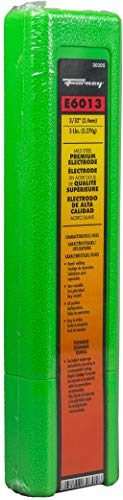
The Forney 30301 E6013 Welding Rods provide an easy-to-use option for all-position welding on mild steel. With shallow penetration characteristics, they are well-suited for thin-gauge metal and joints where fit-up is not perfect. The flux coating enables effective slag removal, helping to maintain clean welds in vertical-down positions and other orientations. This makes the Forney E6013 particularly attractive for DIY fabrications, repair work, and light structural tasks in home shops and small garages.
Users appreciate the general-purpose nature of these rods for repairs when access to power is limited or when welding on slightly painted or dirty surfaces. All you need is a compatible welding machine, basic PPE, and a steady hand to produce consistent beads. They balance performance with accessibility, making them a dependable choice for beginners expanding into metal fabrication projects involving thin steel components.
In practice, choose Forney E6013 3/32 inch when you expect a mix of joints and positions and want predictable results with minimal surface preparation. For thicker steel, you might consider smaller heat input or multiple passes to avoid overheating delicate sheets.
YESWELDER ER4043 Aluminum Rod

The YESWELDER ER4043 aluminum TIG welding rod is designed for general aluminum fabrication, often used with 100% argon or argon-rich shielding gas. Referred to as AlSi5, this alloy contains about 5% silicon, which improves fluidity and makes it a popular choice for welding thin aluminum sheets and structures. The flux-free properties of filler wires like ER4043 help produce bright, smooth beads with reduced cracking tendencies on many thicknesses of aluminum, including automotive and marine components.
ER4043 offers good corrosion resistance and is less sensitive to weld cracking compared with some other aluminum fillers. It performs well in applications where detail, appearance, and corrosion resistance matter, such as kitchen equipment fabrication, light trailer bodies, and light aluminum chassis work. For best results, ensure clean aluminum surfaces prior to welding and use appropriate shielding gas to maintain bead quality on thin metal.
Weldcote ER70S-2 TIG Rod 1/16 Inch

The Weldcote ER70S-2 TIG welding rod is a mild steel filler designed for TIG welding on carbon steels. With a 1/16 inch diameter, it offers lower heat input, which is advantageous for thin-gauge steel where burn-through is a concern. The ER70S-2 composition provides good ductility and crack resistance in a wide range of joints and thicknesses, making it a practical choice for precise welds in automotive panels, thin brackets, and decorative fabrications.
As a TIG filler, this rod is particularly suitable for projects that require clean, precise welds with minimal post-weld cleanup. Pairing with compatible TIG equipment and a proper shielding gas (typically argon) ensures stable arc conditions and consistent bead appearance on thin steel components. The 36-inch length helps with multiple passes or extended welds without frequent rod changes.
Buying Guide
Key purchase considerations
When selecting welding rods for thin metal, consider the metal type (steel, aluminum, or stainless), the joint design, and the welding process you’ll use. For stick welding on light steel, E6013 variants offer forgiving arc starts and all-position capability, while aluminum work benefits from aluminum-specific fillers like ER4043 with appropriate shielding gas. Stainless or specialized metals require compatible rods such as ER308L. Understanding how heat input affects thin sheets helps prevent burn-through and warping.
Diameter and thickness alignment
Thin metal generally performs best with smaller-diameter electrodes: 1/16 inch to 3/32 inch for steel and 3/32 inch for aluminum often yields better control. Larger diameters (like 1/8 inch) introduce more heat per pass and risk burn-through on thin substrates. For aluminum, TIG fillers in the 3/32 inch range are common, especially when precision and bead appearance matter.
Process compatibility
Stick (SMAW) rods such as E6013 are well-suited for general steel work and can tolerate imperfect joint fit-up, while TIG rods like ER70S-2 (steel) and ER4043 (aluminum) are ideal for precise, clean welds on thinner sections. Aluminum welding typically requires shielding gas, clean surfaces, and proper technique to achieve strong, crack-free joints.
Machine compatibility and setup
Check whether the rod set supports AC, DC, or both. E6013 variants commonly work with both AC and DC power sources. Aluminum fillers usually require a TIG setup with a suitable shielding gas. Ensure your machine’s output, voltage range, and duty cycle are appropriate for the chosen filler’s diameter and material to avoid overheating or poor arc stability.
Surface condition and preparation
Some rods tolerate minor surface contaminants. For example, E6013 can weld over light rust or paint, which is helpful for field repairs. More demanding surfaces or critical joints may require cleaning and beveling. Aluminum surfaces benefit from mechanical cleaning and degreasing before welding to prevent porosity and cracking.
Storage, handling, and safety
Store rods in a dry, temperature-controlled environment to prevent moisture uptake, which can cause hydrogen-induced cracking or poor arc stability. Protect filler materials from moisture and contaminants. Always wear appropriate PPE, ensure good ventilation, and follow machine-specific safety guidelines when welding thin metal or using shielding gas.
Cost, availability, and packaging
Prices vary by material (steel, aluminum, stainless) and diameter. For hobbyists, kits that include multiple rods offer flexibility across projects. Consider packaging that preserves rod quality, especially for longer storage periods. Availability from reputable brands with consistent quality helps ensure reliable results on thin metal projects.
Practical quick tips
- For thin steel, start with a smaller diameter (1/16″ to 3/32″) to control heat input.
- On aluminum, ensure proper shielding gas and clean surfaces to minimize porosity.
- AC/DC capability is valuable for adapting to different machines and joint positions.
- All-position rods help when you need flexibility in how you access a joint.
- Practice on scrap before welding a critical thin metal component.