Finding the right 1 1/8 inch arbor saw blade or hole saw can dramatically improve accuracy and finish. This guide highlights five highly compatible options—from slitting and metal cutting to masonry and finishing wood projects—designed to fit most standard arbors and deliver clean, reliable results. Each choice emphasizes durability, smooth operation, and ease of use for DIYers and professionals alike.
Summary of Selected Products
| Product | Brand | Core Use | Arbor Size |
|---|---|---|---|
| HHIP 5071-4208 Slitting Saw | HHIP | Slotting and cutoff | 1″ |
| VIKITON 1-1/8″ Hole Saw | VIKITON | Metal, wood, plastic | 1/2″ chuck compatible via arbor |
| Koopi 1-1/8″ Hole Saw with Arbor | Koopi | Wood, drywall, thin metal | Arbor included |
| Koopi 1-1/8″ Hole Saw with Arbor (Second Option) | Koopi | Wood, plastic, drywall | Arbor included |
| POWERTEC 12″ Table Saw Blade (44T) | POWERTEC | General wood cutting | 1″ |
HHIP 5071-4208 3 x 1/8 x 1″ High Speed Steel Slitting Saw

HHIP 5071-4208 is a high-speed steel plain slitting saw designed for general-purpose slotting and cut-off operations. The sides are concave to produce smooth cuts, and it features a keyway for secure mounting. The 3 x 1/8 x 1″ format makes it suitable for various precision machining tasks where a narrow kerf is critical. This blade is a solid option for hobby shops and light-duty production environments where clean edges and consistent performance are essential.
VIKITON 1-1/8 Inch Hole Saw with Arbor

This bi-metal hole saw by VIKITON includes an arbor, a replacement drill bit, and a hex key for quick setup. The teeth are designed for sharp, long-lasting cuts in metal, wood, drywall, and plastic. The kit is well-suited for DIYers and professional projects that require reliable hole sizing with minimal stalling or wobble, thanks to the sturdy body and well-balanced design. It’s particularly effective for quick, clean holes in a range of common materials.
Koopi 1-1/8″ Hole Saw with Arbor

Koopi’s 1-1/8″ hole saw combines a sturdy M42 high-speed steel edge with bi-metal construction for durability and precise cutting in drywall, wood, plastic, and thin metal. The kit includes a heavy-duty arbor, a replacement pilot drill bit, and a hex key. Its design emphasizes quick, smooth cutting with a non-binding edge and a spring-assisted ejection to minimize resistance and jam risk, making it a versatile choice for a broad range of projects.
POWERTEC 12″ Table Saw Blade, 44-Tooth

This 12″ table saw blade features 44 ATB teeth, a 5/8″ arbor, and a 1/8″ kerf, delivering smooth, precise cuts on wood, plywood, melamine, and laminate. Built with high carbon steel and titanium tungsten carbide teeth, it emphasizes durability and wear resistance. The ATB tooth form minimizes splintering and provides clean finishing cuts for general-purpose woodworking tasks and framing work where a good balance of speed and finish is required.
POWERTEC 12″ Table Saw Blade, 60-Tooth

This higher-tooth count blade is designed for finishing cuts, offering refined edge quality on wood, plywood, and laminate. With a 5/8″ arbor and 1/8″ kerf, it accommodates standard table saw configurations while providing a smoother surface and reduced tear-out. Its carbide-tipped teeth and robust construction ensure long life in finish work and precision projects.
Benchmark Abrasives 14 Inch Chop Saw Blade
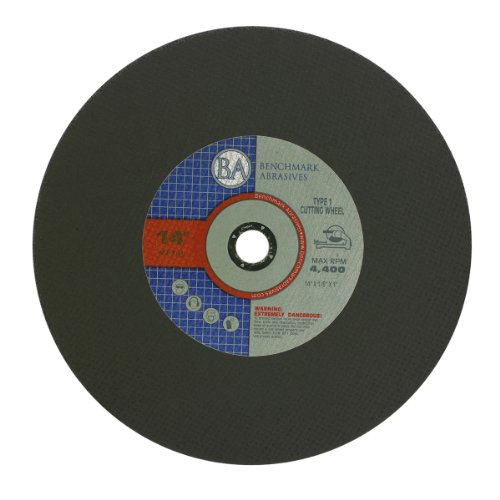
Benchmark Abrasives offers a 14-inch, 1/8″ x 1″ arbor cutting wheel designed for metal, drywall, and light gauge materials. It’s compatible with major chop saw brands and emphasizes fast, straight cuts with durable aluminum oxide construction. This option suits users needing a robust metal-cutting solution in a larger diameter that still adheres to a standard arbor size.
Buying Guide: Key Purchase Considerations
When selecting a 1 1/8 arbor blade or hole saw, consider the following factors to maximize performance and compatibility.
- Arbor compatibility: Confirm the arbor size of your tool (commonly 1/2″, 5/8″, or 1″) and ensure the blade’s arbor matches or includes an appropriate arbor with adapters as needed.
- Material and tooth design: For wood, choose ATB (Alternate Top Bevel) teeth for clean faces; for metal, bi-metal or carbide-tipped blades with robust teeth are preferable. Masonry requires resin-bonded silicon carbide blades designed for fast cutting.
- Kerf and blade thickness: A narrower kerf reduces material waste and requires less power, but must balance with rigidity for stable cuts. Heavier cuts may benefit from thicker blades.
- Depth and cutting diameter: Hole saws specify depth (e.g., 1-1/8″ or 38mm) and overall diameter; ensure your project’s hole size is compatible with the tool’s range and your drill’s capacity.
- Durability and mounting: Look for bi-metal construction, quality arbor hardware, and features like quick-change arbors or pilot bits that minimize binding and provide dependable start-ups.
- Intended application: Distinguish between general purpose, finishing, slotting, or masonry use. Using the wrong blade can compromise edge quality or blade life.
- Maintenance and safety: Regularly clean teeth, check for dullness, and replace worn blades. Always follow PPE guidelines and manufacturer torque and mounting instructions for safety.
- Brand and warranty: Reputable brands with warranties offer better long-term value, replacement parts, and access to customer support if you encounter issues.
These considerations help users compare blades across materials, speeds, and project types. For consumers focused on 1 1/8 arbor solutions, prioritizing arbor compatibility, material-specific tooth design, and the balance between speed and edge quality will yield the most consistent results across tasks from precise drilling to heavy-duty cutting.